Cultural Space Is Infrastructure: Testimony from the NYC Council’s Affordability Hearing
Written by Melanie Sasmito
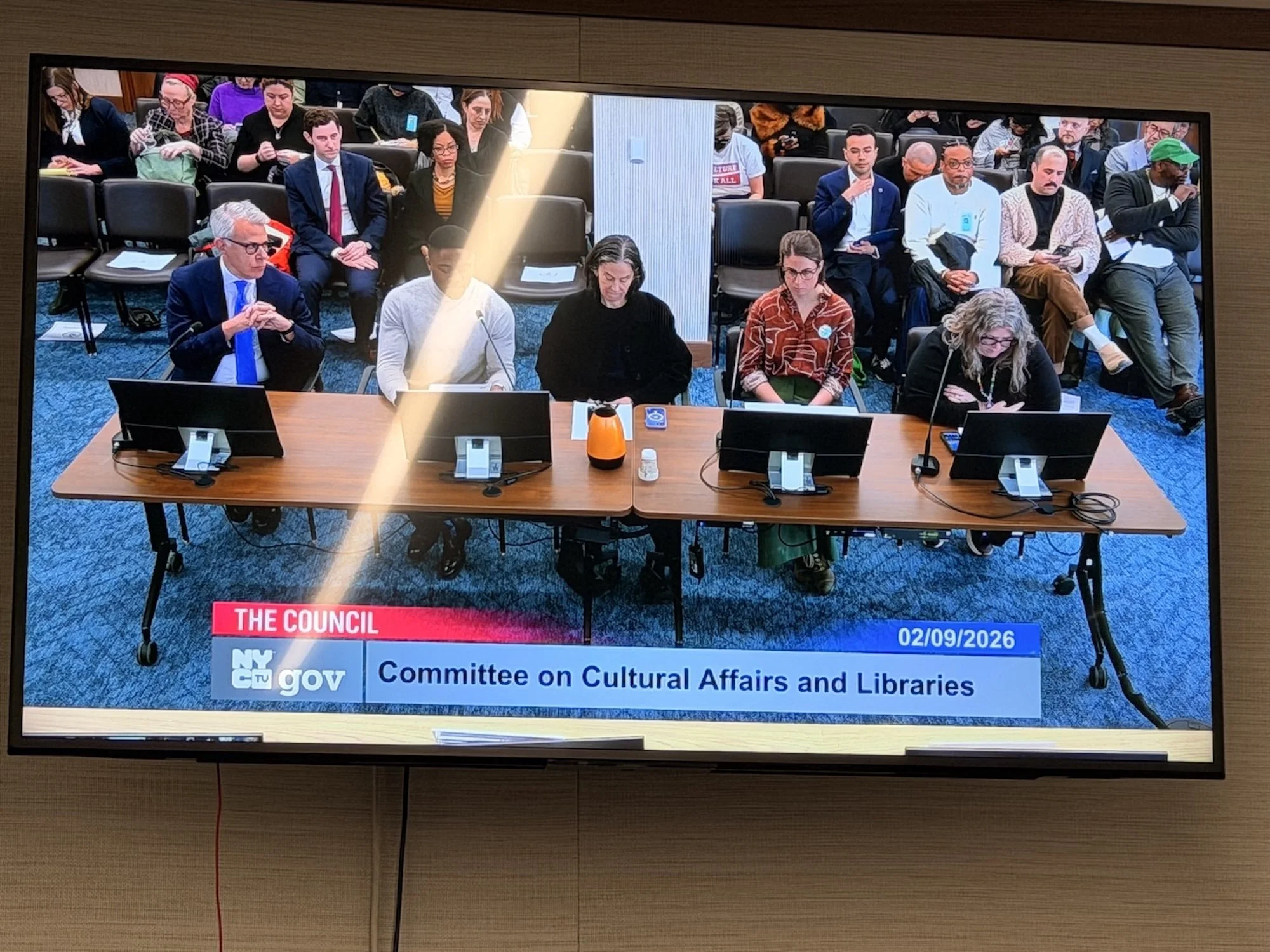
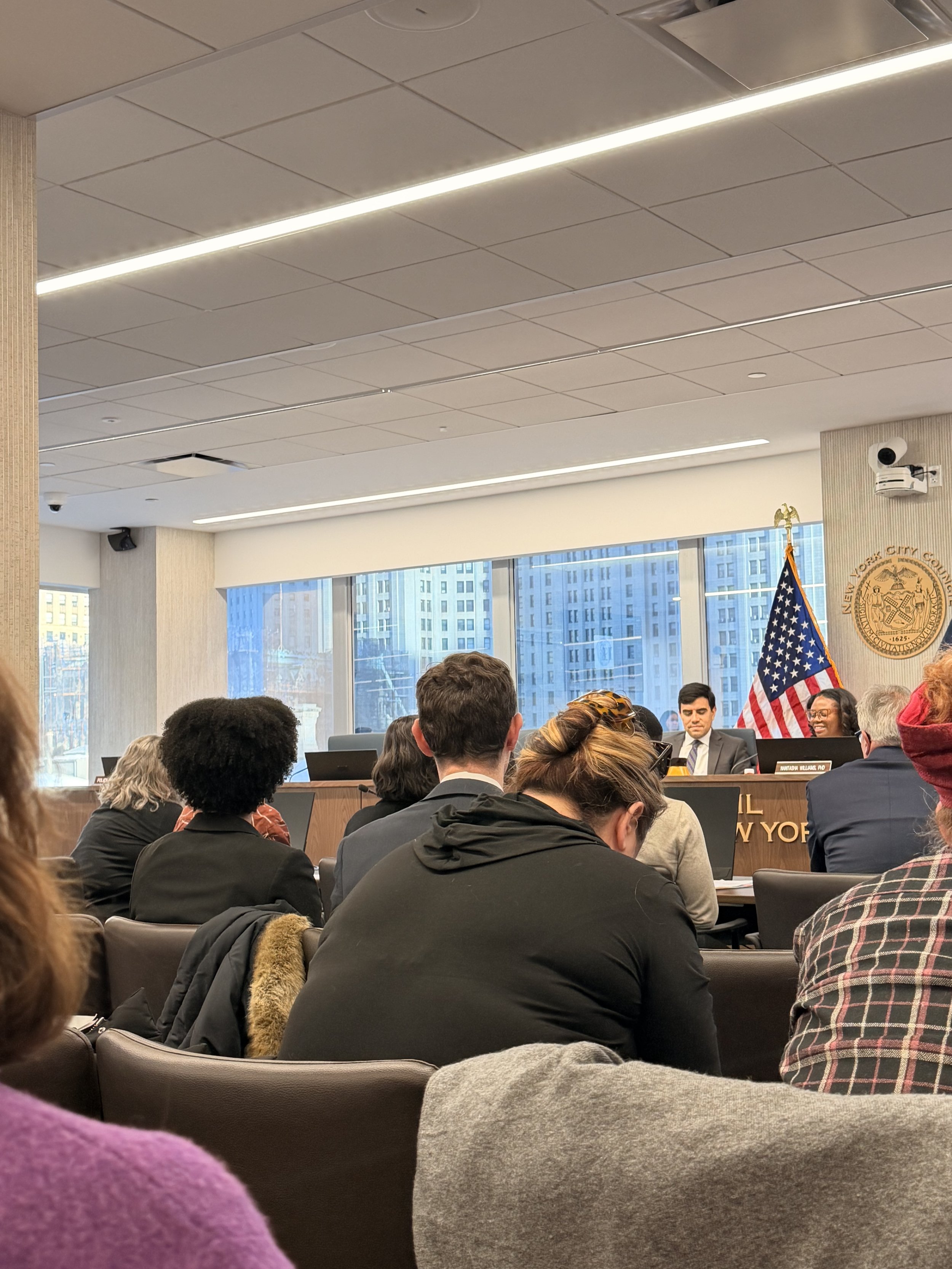
On Monday, February 9, artists, cultural workers, service organizations, and leaders from across the arts ecosystem gathered to speak at the NYC Council’s Oversight Hearing on affordability in New York City’s arts and cultural sector.
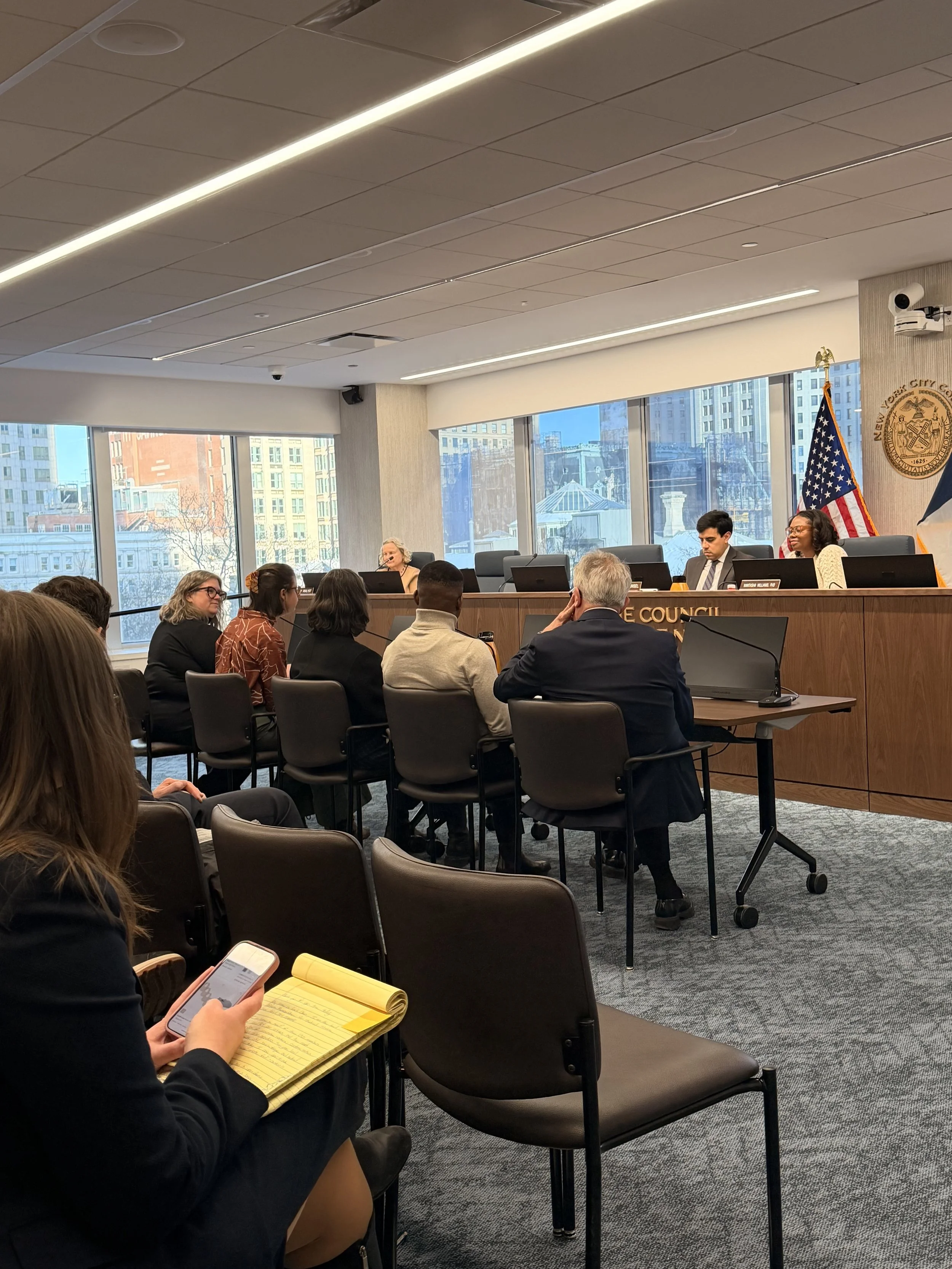
The testimony reinforced what many in our community are already experiencing, and IndieSpace sees in our work every day. The affordability crisis is driving artists out of the city.
As the Center for an Urban Future outlined in its Creative New York 2025 report, New York’s creative workforce is shrinking for the first time in decades. Artists earn less here after adjusting for the cost of living, more than 50 cultural venues have closed since 2020, and nonprofits are absorbing rising operating costs while public and philanthropic funding struggles to keep pace.
And it’s not only artists who are feeling the strain. Borough arts councils and service organizations, the very infrastructure that supports the sector, described operating in constant precarity. They serve thousands of New Yorkers and regrant millions of dollars each year while navigating late city payments, short-term contracts and leases, and limited operational support. Without stable, multi-year funding, even these systems cannot effectively anchor the creative workforce.
Across testimonies, one message was clear: cultural space is infrastructure. As Randi Berry, IndieSpace’s Executive Director, shared, "Soaring rents, speculative development, short-term leases, and opaque real estate practices are pushing arts organizations out of neighborhoods and out of New York City altogether."
We suggest the city could prioritize small-budget arts groups in community facility spaces, require cultural carve-outs in office-to-residential conversions, create housing pathways that reflect artists’ fluctuating incomes, and reinstate acquisition tools that help nonprofits secure permanent, affordable space. Without sustainable, long-term policy solutions, New York risks becoming a city that consumes culture rather than creates it.
We’re grateful the Council is centering this conversation, and we’re ready to partner on the real estate and policy strategies that keep artists in New York City.
A notable announcement from the hearing is that the Manhattan Borough President introduced a “Manhattan Multiplier for Arts and Culture,” dedicating the entirety of the borough president’s FY27 capital funds to affordable and accessible cultural projects, with plans to leverage private and philanthropic matches to strengthen long-term cultural infrastructure.
Learn more about that funding program here. The application deadline is 5pm on Thursday, February 19.
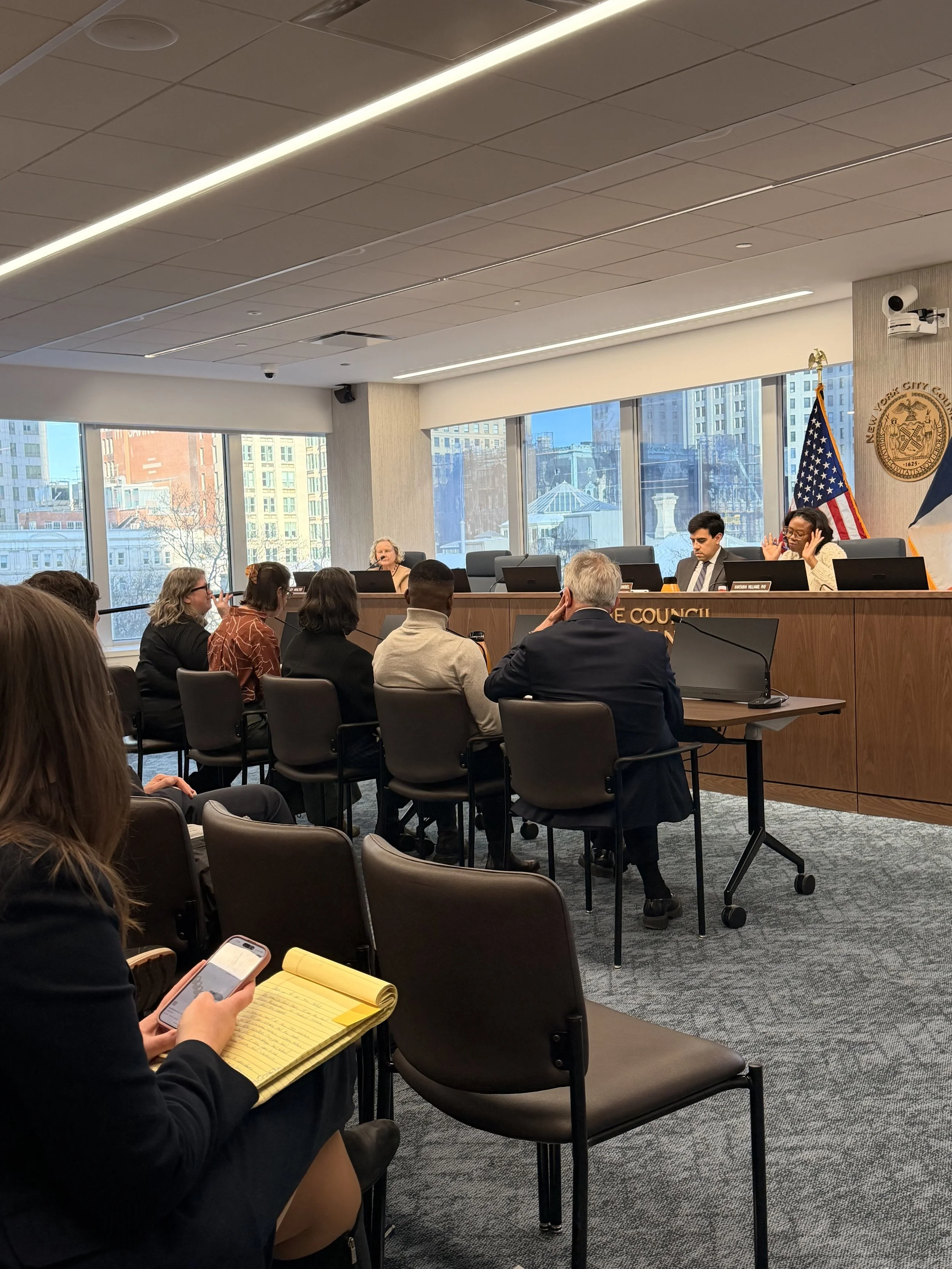
Read Randi Berry’s Testimony here:
IndieSpace Testimonial Letter to the New York City Council Committee on Cultural Affairs & Libraries
Hon. Deputy Speaker Dr. Nantasha Williams, Chair
Monday, February 9, 2026
Good afternoon, Deputy Speaker Dr. Nantasha Williams and Members of the Committee. My name is Randi Berry, and I am the Executive Director of IndieSpace. IndieSpace is a community organizer and service organization dedicated to supporting New York City’s lower-income artists, cultural workers, and small-budget arts organizations, particularly through funding and access to affordable, stable rehearsal and performance space, which remains one of the greatest threats to the sustainability of our cultural sector.
As a Service Organization, our work undergirds the cultural ecosystem and ensures that artists who may not have the capacity to receive support from philanthropy or government are not lost in the shuffle and left without any safety net. IndieSpace was created in response to a reality many arts organizations know all too well: that soaring rents, speculative development, short-term leases, and opaque real estate practices are pushing arts organizations out of neighborhoods and, increasingly, out of the city altogether.
Indie venues operate on razor-thin margins. Unlike commercial tenants, they cannot absorb sudden rent spikes, broker fees, or costly build-outs. Many are housed in former industrial spaces, basements, or shared facilities—often without long-term security. When a lease is lost, an organization doesn’t just relocate; it frequently closes - representing lost jobs, lost community programming, and lost cultural infrastructure that cannot be easily rebuilt.
To directly address these challenges, IndieSpace operates a free real estate consultancy program for arts and cultural organizations. Through this program, we work one-on-one with organizations to:
Navigate commercial leasing and renewal negotiations
Understand zoning, use, and permitting requirements
Identify affordable spaces and viable ownership pathways
Build long-term strategies for stability and permanence
This program is offered at no cost because most small arts organizations cannot afford legal or real estate expertise—yet they are routinely expected to negotiate complex leases in one of the world's most expensive real estate markets. Our goal is not just to help organizations survive their next lease, but to secure space that enables them to plan, grow, and serve their communities long-term.
There are also many ways for the City Council, DCLA, and Service Organizations to partner to solve this pressing issue.
We can reexamine the definition of use for Community Facility spaces to prioritize smaller budget arts organizations and other non profits over for profit medical use.
We can require cultural carve-outs in commercial to residential conversions that already need creative ideas for the unusable core.
We can allocate housing for historically excluded artists who are often disqualified from the Housing Connect lotteries because of their fluctuating income and numerous 1099s and W2s.
We can reinstate the acquisition program at DCLA to leverage the NY Space Fund that Governor Hochul has just announced.
We can work with Community Boards to be sure community-based arts and culture and non-profits are not left behind with the new ULURP approval process.
Creation cannot happen when artists are spending their time fighting eviction, scrambling for space, or deciding whether they can afford to stay in New York City at all. Stable, affordable space is foundational to mental health, economic stability, and artistic excellence.
I thank the City Council for holding today’s oversight hearing and for investing in programs and organizations like IndieSpace to help preserve and expand affordable cultural infrastructure—particularly for small, independent, and community-rooted organizations.
IndieSpace stands ready to work with the City Council to ensure that New York City remains a place where artists can not only perform, but stay, build, and belong.
Randi Berry
Executive Director
IndieSpace